A trip to the Rio Grande Valley
Park #2
January 13th, 2024
Distance: 4.39 m hike
Weather: 58 degrees and light wind
For the Martin Luther King Jr. holiday weekend, my husband and I loaded the car and trekked to the Rio Grande Valley to visit three state parks, all part of the World Birding Center. These parks attract birdwatchers from around the world to glimpse some rare species that can only be seen in South Texas or Northern Mexico. We aren’t birders, but I hoped to spy some usual wildlife, and my hubby brought his super fancy camera. You can’t drive into any of these parks, so you check in at the visitor center to obtain a wristband. All three parks are small, even if the word ‘grande’ (Spanish word for big) is in the name of two of these parks.
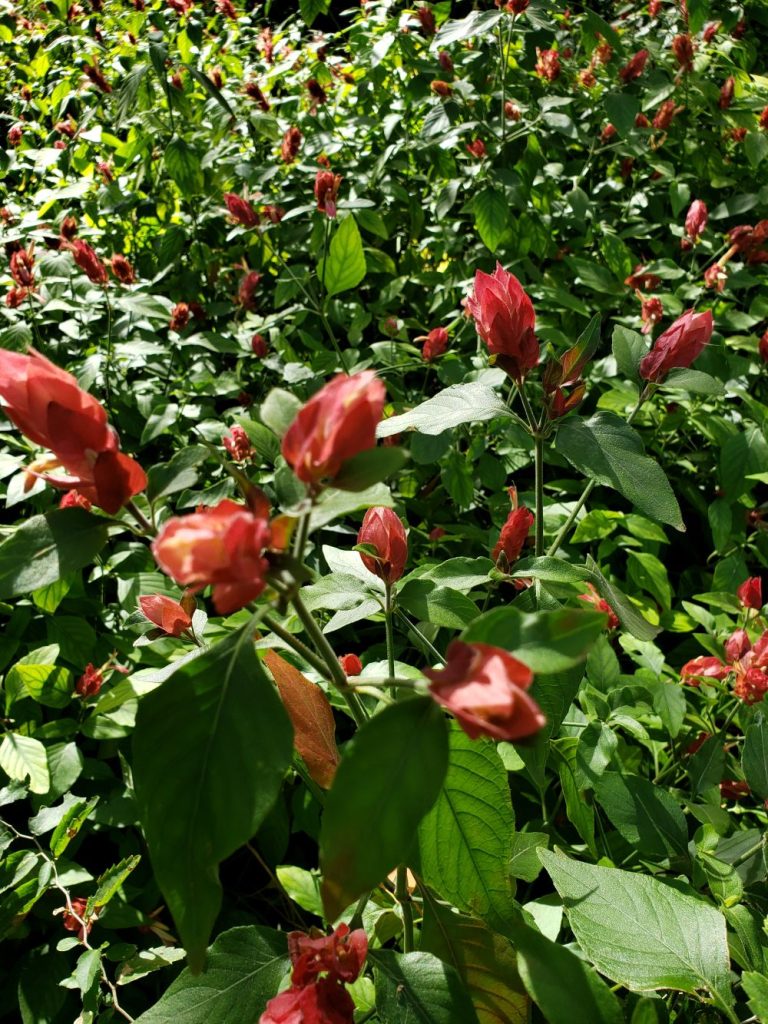
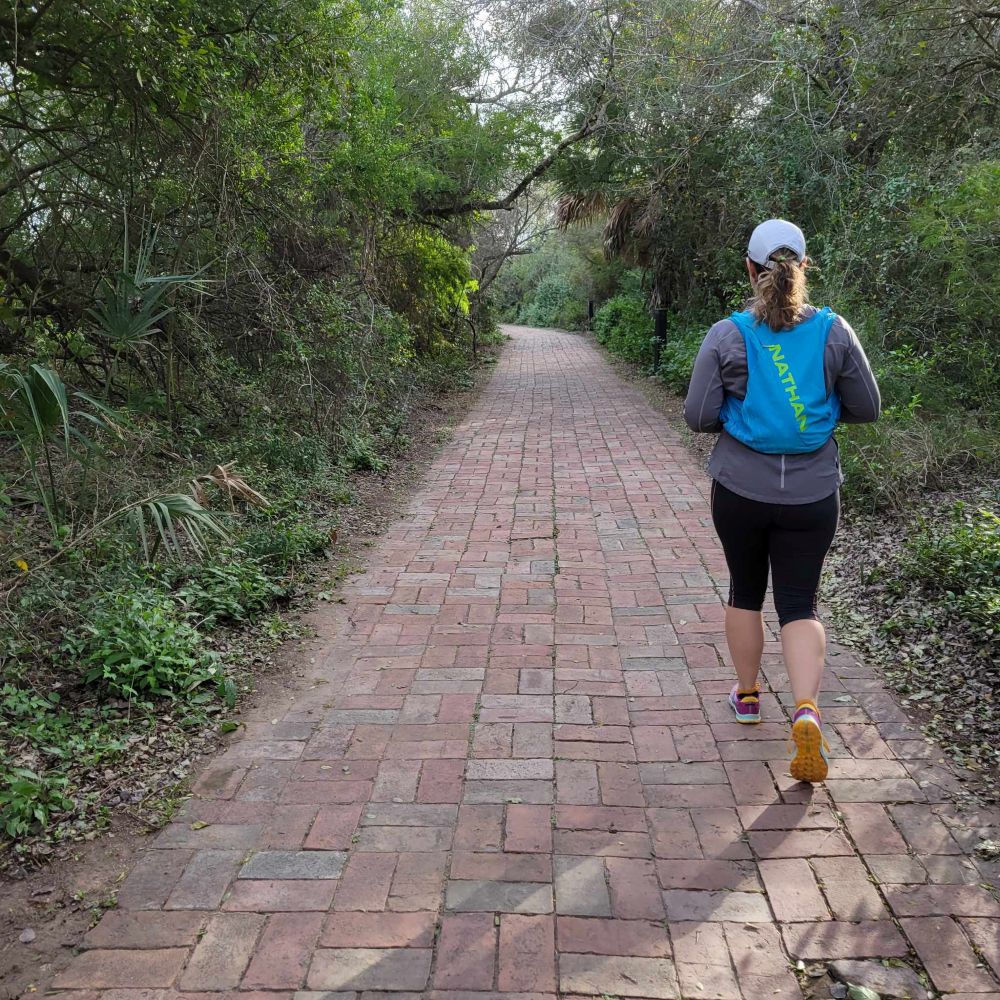
When we pulled into the parking lot of Estero Llano Grande State Park, I was surprised to see various tropical plants and a brick path to the visitor center winding through a mini-jungle. Good first impression.
At the visitor center, we asked the ranger when the best time was to spot birds, and she replied, “It’s now, actually, but we have been in a drought. There is only water in Alligator Lake and Kiskadee Pond.” She wasn’t exaggerating. Most of the ponds were bone-dry. Bummer.
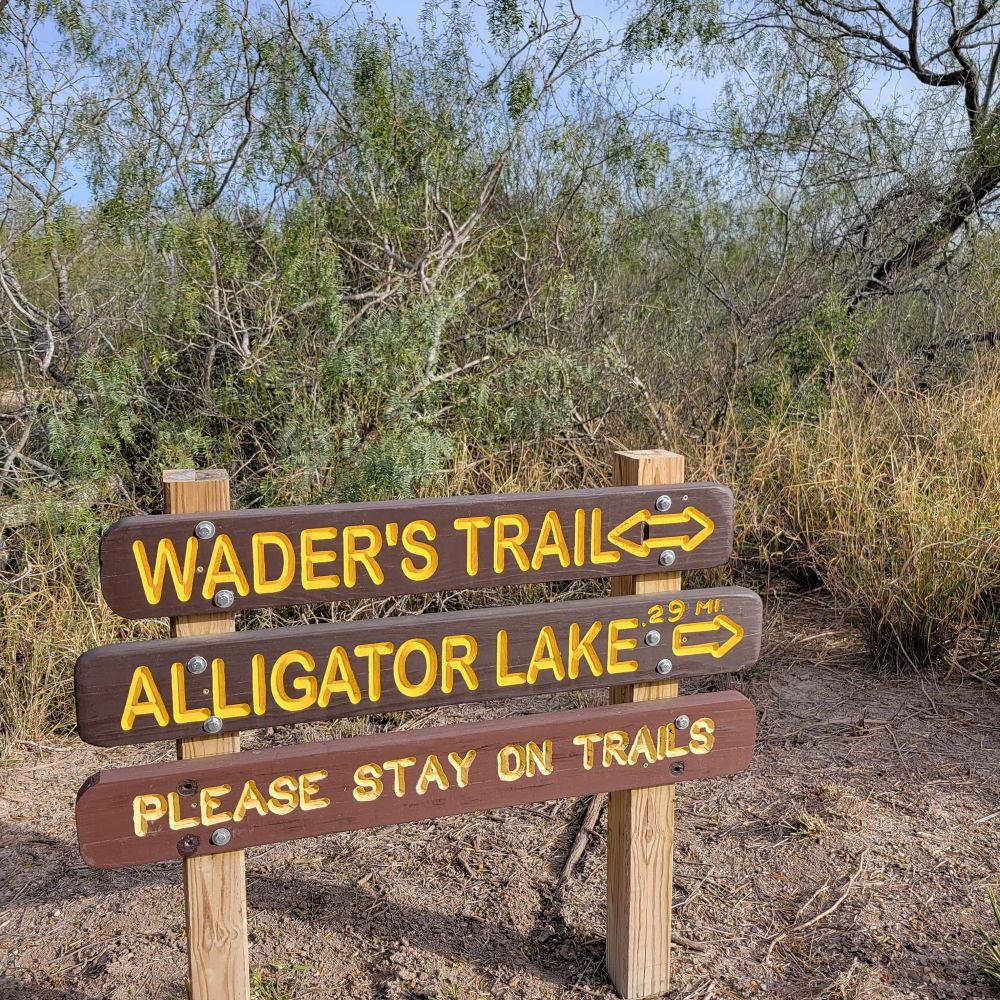
Still, we took our chances and wandered over to Alligator Lake. The trails near the visitor center are well-marked. I doubt you could get lost. We met a friendly birder who pointed out a few herons on the lake and showed us a sleeping pauraque. It took me several seconds before I spotted it; that creature was perfectly camouflaged. The birder warned that we had better “follow the rules”, which means don’t disturb a sleeping or nesting bird. She was very enthusiastic and educated us about pauraques. So much so that I think the park should hire her.
Pauraques are active at night and sleep during the day. When disturbed, they run and won’t return until the next day. I did not want to break any rules, so I kept my distance and my mouth shut. I didn’t want to be responsible for a pauraque losing sleep.
Our new birder friend was eager to continue our education, so she listed other nearby sites to see rare birds. I told her we had other plans. She paused, blinked twice, and continued listing her recommended locations. I guess her brain was in bird mode and couldn’t compute skipping a bird sighting? I decided this was a nod-and-smile-politely situation.
After taking some lovely pictures, it was time to hike or run these trails. In other words, I would hike and hubby would run. I started on a nature trail, but upon turning the first corner, I spotted five men with expensive cameras. They were pointing their lenses at a spot on the other side of the trail. I didn’t want to be a jerk and disturb their quarry, so I backed up and headed to another part of the park. I was learning how serious birding can be.
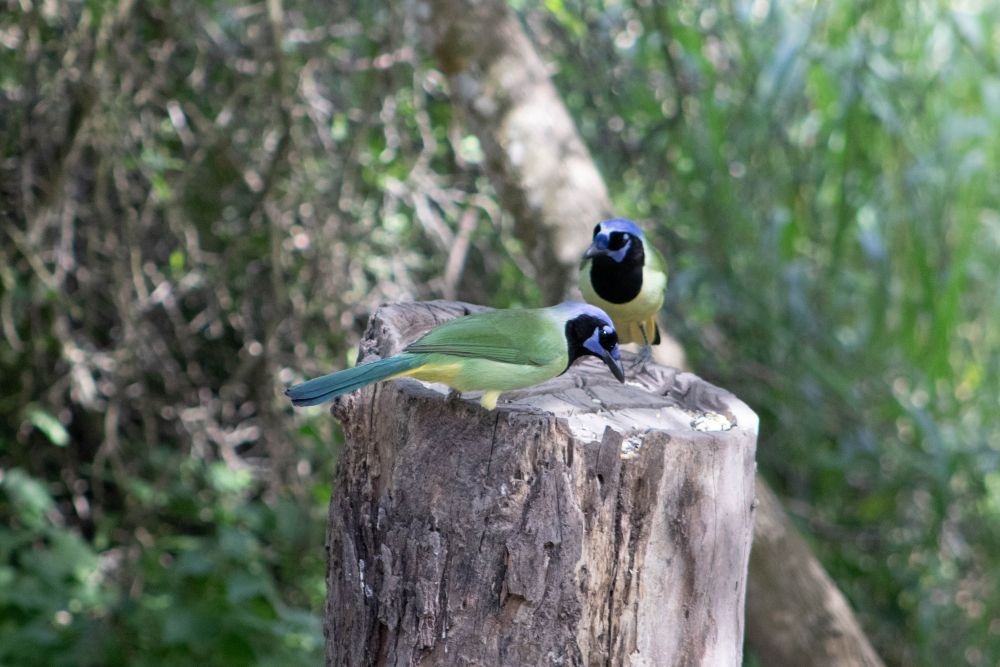
I meandered through a region labeled “tropical area” on the map, which was the old campground roads. Next, I hiked up to a levee that separates the ponds from Llano Grande Lake. Between the bird blinds and the lake, I saw green jays, pelicans, pink flamingos, and others that I couldn’t identify because I didn’t have binoculars and, as stated before, I’m not a birder. If I could spot that many birds, I wondered what it must be like when there isn’t a drought.

The location promises the park will be scorching hot in the summer. I imagine if the ponds were full and it was a still day, mosquitoes would make a meal out of you. Bring the sunscreen and bug spray!
After discussing the trip, the hubby and I determined we were both lucky and unlucky. Luckily, we got to see a pauraque and experience a mosquito-free morning. Unfortunately, we didn’t see as many amazing birds as we expected.